What Can I Do? To Help Reduce The Severity Of Acne?
Acne is one of the most common skin concerns during the teenage years and can progress in adult life—and while it can be frustrating and emotionally challenging, it is also manageable. Understanding why acne occurs and how to care for teenage skin correctly can significantly reduce its severity and help prevent long-term scarring.
Why Acne Is Common in Teenagers
During puberty, hormonal changes stimulate the sebaceous (oil) glands to produce more sebum. When excess oil combines with dead skin cells, pores can become blocked, creating an ideal environment for acne-causing bacteria to grow. This can result in blackheads, whiteheads, inflamed pimples, and sometimes deeper cystic breakouts.
Genetics, diet, stress, skincare habits, and lifestyle factors can all influence how severe acne becomes.
Keep Skincare Simple and Consistent
One of the most important steps in managing teenage acne is using a simple, consistent skincare routine. Over-cleansing, harsh scrubs, or using too many active products can damage the skin barrier and make acne worse.
A gentle cleanser used morning and night helps remove excess oil without stripping the skin. Follow with a lightweight, non-comedogenic moisturiser—hydration is essential, even for oily or acne-prone skin.
Choose the Right Ingredients
Certain ingredients are particularly helpful for reducing acne severity:
Salicylic acid helps unclog pores and reduce breakouts
Niacinamide supports the skin barrier and reduces inflammation
Azelaic acid can help with redness and congestion
Benzoyl peroxide (used carefully) reduces acne-causing bacteria
It’s important to introduce actives slowly and avoid combining too many treatments at once.
Avoid Picking and Over-Touching the Skin
Picking or squeezing pimples increases inflammation and significantly raises the risk of scarring and post-inflammatory pigmentation. Hands also transfer bacteria to the face, which can worsen breakouts.
Encouraging teens to keep hands away from the face and to resist picking is one of the most impactful habits for long-term skin health.
Lifestyle Factors Matter
Acne is not caused by poor hygiene, but lifestyle choices do play a role. Managing stress, getting adequate sleep, and maintaining a balanced diet can help support healthier skin. While no single food causes acne, highly processed foods and high-sugar diets may contribute to inflammation in some individuals.
Staying hydrated and maintaining regular routines can also support overall skin balance.
Sunscreen Is Still Essential
Many acne treatments increase sun sensitivity. Using a lightweight, oil-free sunscreen daily helps protect the skin and prevents acne marks from becoming darker and longer-lasting.
When to Seek Professional Help
If acne is persistent, painful, or affecting confidence, a professional consultation is recommended. Early intervention can prevent worsening acne and reduce the risk of permanent scarring.
At Oceania Wellness, we focus on education, gentle treatment planning, and age-appropriate skincare guidance to support teenage skin safely and effectively—because healthy skin habits start early.
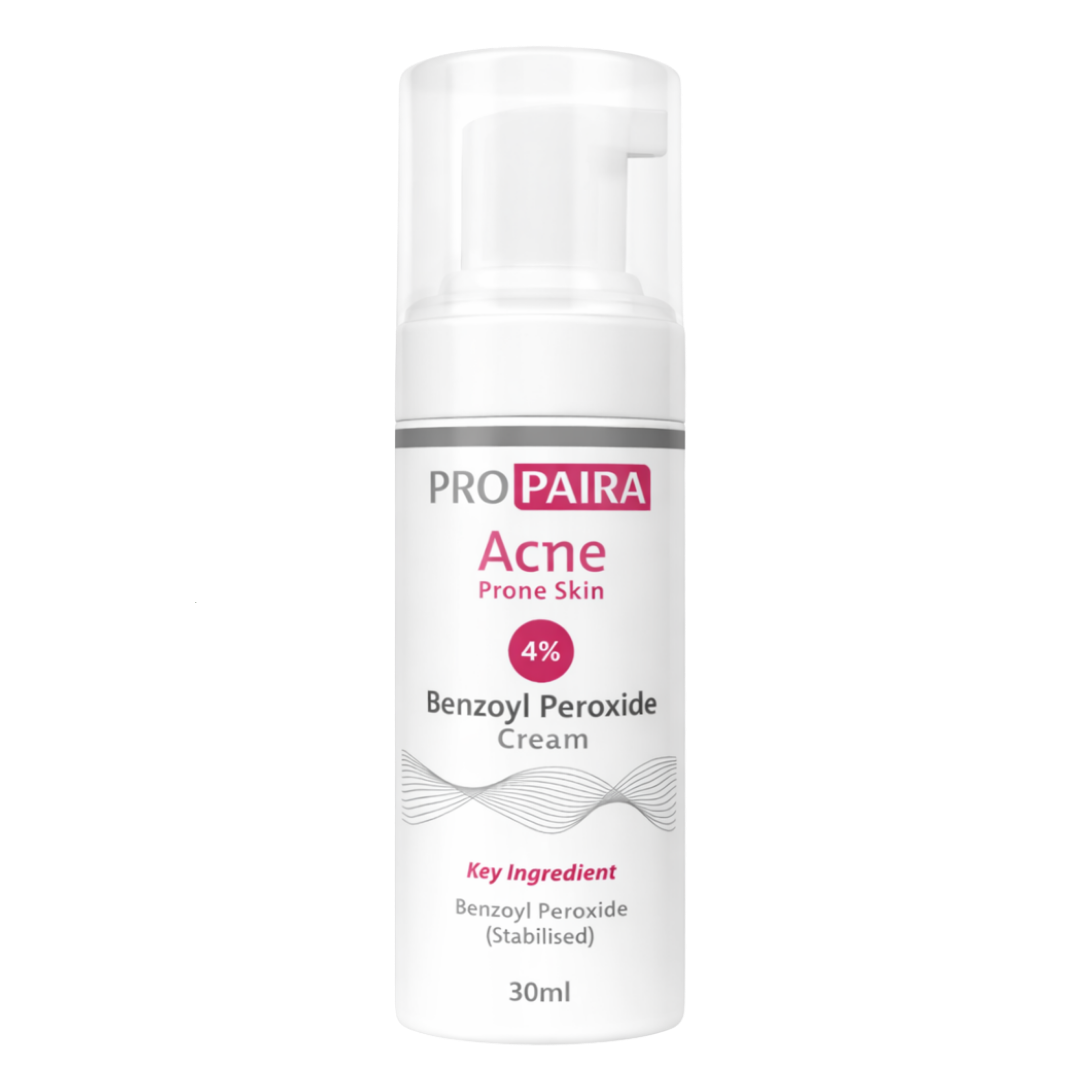
What does it do:
4% Stabilised Benzoyl Peroxide – Fights bacteria, reduces pimples and blackheads.
Retinyl Palmitate (Vitamin A) – Clears pores and speeds up skin renewal.
Mandelic Acid (AHA) – Helps unclog pores and remove excess oil.
Use:
Apply once daily to clean skin.
If skin is sensitive, apply every other day.
Gently massage to absorb.
Use Propaira SPF50+ sunscreen if going outside.
Avoid eyes. Wear white clothes (may bleach fabric).
Ingredients:
Vegan
Water, Cetearyl Alcohol, Witch Hazel Water, Benzoyl Peroxide, Ethylene Glycol Dibenzoate, Cetearyl Ethyl Hexanoate, Glyceryl Stearate, Triethyl Citrate, Potassium Palmitoyl Hydrolysed Wheat Protein, Capric/Stearic Triglyceride, Evening Primrose Seed Oil, Sodium Lactate, Methylsulfonylmethane (MSM), Lactobionic Acid, Mandelic Acid, Unsaponifiable Olive Oil, Sodium Pyrrolidone Carboxylic Acid, Zinc Sulphate, Acrylamide/Sodium Acryloyldimethyltaurate Copolymer, Starch/Aluminium Octenyl Succinate, Undecylenic Acid, C13-14 Isoparaffin, Glycyrrhetinic Acid, Tocopheryl Acetate (Vitamin E Acetate), Retinyl Palmitate (Vitamin A Palmitate), Imidazolidinyl Urea, Undecylenoyl Glycine, Sunflower Seed Oil, Phytosphingosine, Laureth-7, Disodium EDTA (Ethylenediaminetetraacetic Acid Salt 2Na), Sodium Hyaluronate, Beta-Glucan, Tocopherol (Vitamin E), Benzyl Alcohol, Oak Root Extract, Dehydroacetic Acid.
*Click here to enjoy a complimentary virtual skin consultation with an expert skin therapist today.